
Human resources management is the backbone of any successful organization. From hiring and onboarding to payroll and performance management, HR teams handle the critical functions that keep businesses running smoothly. The right HR software can automate tedious tasks, ensure compliance, and help you build a thriving workplace culture—whether you’re a small business with 10 employees or an enterprise with thousands.
With options ranging from all-in-one platforms like Workday to specialized engagement tools, finding the best HR software can be challenging. This comprehensive guide compares the top HR solutions for 2026, breaking down the best tools by company size, budget, and specific HR needs.
At a Glance: The Best HR Software for 2026
- Best Overall for SMBs: BambooHR – Comprehensive HRIS with excellent reporting and user experience.
- Best for Payroll & Benefits: Gusto – Easy-to-use platform with full payroll and benefits administration.
- Best for Enterprise: Workday – Industry-leading solution for large organizations.
- Best for Compliance: Rippling – Strong compliance features with IT automation.
- Best Free Option: Zoho People – Affordable HR solution with a free tier for small teams.
- Best Lifetime Deal (AppSumo): Peoplebox – Remote team engagement and performance management with a one-time payment.
What to Look For in HR Software
Before diving into specific tools, let’s establish what makes great HR software. The best choice for your organization depends on several key factors:
Key Features to Prioritize
- Core HR Features: Employee records, org charts, and document management.
- Payroll Processing: Full payroll with tax filing, direct deposit, and compliance.
- Recruiting & Onboarding: Applicant tracking, offer letters, and new hire paperwork.
- Time & Attendance: Time tracking, PTO management, and scheduling.
- Benefits Administration: Health insurance, retirement plans, and other benefits.
- Performance Management: Reviews, goal setting, and continuous feedback.
- Reporting & Analytics: Insights on headcount, turnover, and engagement.
- Mobile Access: Employee self-service on mobile devices.
Types of HR Software
- Comprehensive HRIS: Full-featured platforms covering all HR functions (BambooHR, Workday).
- Payroll-Focused: Tools that prioritize payroll with additional HR features (Gusto, ADP).
- Specialized Solutions: Tools for specific functions like engagement or performance (Peoplebox).
- Free/Freemium: Basic HR features at no cost (Zoho People).
Comparing the Best HR Software
| Tool | Ease of Use | Pricing | Best For | Weakness | Learning Curve |
|---|---|---|---|---|---|
| BambooHR | Easy | Custom quote | SMBs, growing teams | More expensive, limited payroll | Low |
| Gusto | Very Easy | $39/mo + $6/employee | Small businesses, payroll-focused | Limited advanced HR features | Very Low |
| Workday | Medium | Custom quote | Enterprise, large organizations | Very expensive, complex implementation | High |
| Rippling | Medium | $35/mo + $8/employee | Compliance, IT automation | Can be complex, more expensive | Medium |
| Zoho People | Easy | Free / $2/employee | Budget-conscious SMBs | Limited payroll features | Low |
| Peoplebox | Easy | $99 (Lifetime) | Employee engagement, performance | Not a full HR suite | Very Low |
Detailed Breakdown of the Best HR Software
1. BambooHR: The Comprehensive HRIS
Pros: Clean, intuitive interface, robust reporting and analytics, strong applicant tracking, employee engagement features, customizable workflows, excellent employee self-service portal.
Cons: More expensive than other options, limited payroll capabilities (requires integration), may be overkill for very small teams.
Best For: Growing small to medium businesses that need comprehensive HR features and are willing to invest in a full HRIS.
2. Gusto: The Payroll & Benefits Champion
Pros: Very easy to use, comprehensive payroll processing, automatic tax filing, benefits administration, employee self-service portal, strong customer support.
Cons: Limited advanced HR features beyond payroll and basic HR, can get expensive with add-ons.
Best For: Small businesses with 1-50 employees who want an easy-to-use payroll solution with basic HR features.
3. Workday: The Enterprise Solution
Pros: Industry-leading platform, comprehensive HR and finance integration, strong analytics and AI, global compliance capabilities.
Cons: Very expensive, complex implementation, requires dedicated IT resources.
Best For: Large enterprises (1,000+ employees) that need a comprehensive, integrated HR and finance platform.
4. Rippling: The Compliance & IT Powerhouse
Pros: Strong automation and compliance features, unified platform for HR and IT, robust access controls, good for remote teams, strong data security.
Cons: Can be complex to set up, more expensive than competitors, may be overkill for very small teams.
Best For: Small to medium businesses with remote teams, strong compliance needs, or businesses that want to automate HR and IT processes.
5. Zoho People: The Budget-Friendly Solution
Pros: Affordable pricing with a free tier for up to 5 employees, comprehensive HR features, integrates with other Zoho products, good for international teams.
Cons: Limited payroll features, less polished than competitors, may require setup for full functionality.
Best For: Very small businesses (under 20 employees) on a tight budget, especially those already using Zoho products.
💡 The AppSumo Advantage
Affiliate Disclosure: Some links are affiliate links, meaning we may earn a commission. We only recommend products we believe provide genuine value.
Peoplebox is not a full HR suite like BambooHR or Gusto, but it offers exceptional lifetime value for employee engagement and performance management—two critical areas for remote and hybrid teams—with a one-time payment.
6. Peoplebox: Employee Engagement & Performance Management
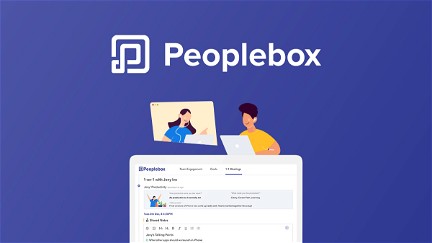
Peoplebox is designed for remote and hybrid teams, focusing on employee engagement and performance management. It helps HR leaders track engagement metrics, manage performance reviews, and build a strong company culture.
Peoplebox Pros
- Employee engagement: Track and improve engagement metrics.
- Performance management: Manage goals, reviews, and continuous feedback.
- Remote team focus: Designed specifically for distributed teams.
- Analytics and insights: Data-driven HR decisions.
- Lifetime deal: One-time payment via AppSumo.
Peoplebox Cons
- Not a full HR suite: No payroll, benefits, or compliance features.
- Limited to engagement and performance: Doesn’t replace core HR platforms.
Who Should Choose Peoplebox?
Peoplebox is perfect for organizations that want to measure and improve employee engagement and performance without adding another monthly subscription. It complements existing HR tools by focusing on culture and engagement—critical for retaining talent.
Decision Framework: Which HR Software Is Right for You?
What’s your organization size and primary HR need?
- I’m a small business (1-50 employees): Choose Gusto (payroll focus) or BambooHR (comprehensive).
- I’m a growing SMB (50-500 employees): Choose BambooHR or Rippling.
- I’m an enterprise (500+ employees): Choose Workday.
- I’m on a tight budget: Start with Zoho People (free tier available).
- I need strong compliance and IT integration: Choose Rippling.
- I want to improve employee engagement: Choose Peoplebox.
- I want to avoid recurring subscriptions for engagement tools: Choose Peoplebox.
5-Year Cost Comparison: Subscription vs. One-Time
| Tool | Pricing Model | Cost Over 5 Years (50 Employees) |
|---|---|---|
| BambooHR | Subscription (Est. $8-12/employee) | $24,000 – $36,000+ |
| Gusto | Subscription ($39 + $6/emp) | $20,340 |
| Workday | Subscription (Enterprise pricing) | $100,000+ |
| Zoho People | Subscription ($2/employee) | $6,000 |
| Peoplebox | One-Time ($99) | $99 |
Peoplebox offers exceptional value for engagement and performance management, but it doesn’t replace the core HR features of full platforms like BambooHR or Gusto. Many organizations use a combination—a full HR solution for payroll and compliance, and Peoplebox for engagement.
- Per-Employee Pricing: Most HR tools charge per employee, which adds up as you grow.
- Implementation Services: Enterprise solutions often require paid implementation.
- Integrations: Connecting HR software with other systems may require additional fees.
- Training: Your HR team may need training to use more complex HR systems effectively.
- Upgrades: Advanced features often require higher-tier plans.
Common Mistakes to Avoid
- Choosing Based on Price Only: Free or cheap tools may lack features you’ll need as you grow.
- Ignoring Scalability: Will the software grow with your organization?
- Not Considering Employee Experience: Is the employee self-service portal easy to use?
- Forgetting About Compliance: Ensure the software helps you stay compliant with employment laws.
Implementation Roadmap
- Start with a Free Trial: Most tools offer free trials. Test with your real HR workflows.
- Define Your Core Needs: Prioritize the features you need most (payroll, onboarding, engagement).
- Consider Your Growth: Will the tool scale with your business in 2-3 years?
- Test Mobile Access: Ensure employees can access essential HR tools on mobile.
- Plan Your Implementation: Data migration and team training are critical for a smooth transition.
Final Verdict
Choosing the best HR software depends on your organization’s size, budget, and specific needs. For most SMBs, BambooHR offers the best balance of comprehensive features and user experience. For small businesses prioritizing payroll, Gusto is the clear winner.
For enterprises, Workday remains the industry leader despite its higher cost and complexity. For budget-conscious organizations, Zoho People provides solid features at a fraction of the cost.
If you’re focused on employee engagement and performance management—especially with remote teams—Peoplebox offers exceptional lifetime value with a one-time payment.
Our Top Recommendations
Best Overall for SMBs: BambooHR – Comprehensive HRIS with excellent reporting and user experience.
Best for Payroll & Benefits: Gusto – Easy-to-use platform with full payroll and benefits administration.
Best Lifetime Deal for Employee Engagement: Peoplebox offers performance management and engagement tracking with a one-time payment.
 Lifetime Deal
−84%
Lifetime Deal
−84%
Peoplebox
Robust employee engagement and performance management for remote teams
Pros
- +Lifetime deal pricing (saving $501)
- +Employee engagement
- +Performance management
- +Remote team focus
- +Analytics and insights
Cons
- −Limited advanced HR features
- −Additional integration options would be beneficial
- −User interface learning curve
Alternatives: 15Five Lattice Culture Amp
Remember, the best HR software is the one your team will actually use and that scales with your business. Start with a trial, define your core needs, and choose the tool that solves your most pressing HR challenges.